The Best QKOQKO Kitchen Knives in 2026: 2 Picks
As an Amazon Associate we earn from qualifying purchases. Links on this page are affiliate links.
QKOQKO offers Japanese-style kitchen knives designed for specific prep tasks. You will find options in the best QKOQKO kitchen knives lineup, including a 7-inch Damascus wood handle Nakiri and a 7.5-inch Damascus Santoku. We compared 2 models using only the specifications published on the listings. The QKOQKO 7-Inch Damascus Wood Handle Nakiri Knife leads because its 9Cr18MoV core and straight edge excel at precise vegetable chopping and slicing. This guide focuses on blade material, size, weight, and handle construction to help you choose the right tool.
Quick picks
| # | Product | Best for | Price |
|---|---|---|---|
| 1 | QKOQKO 7-Inch Damascus Wood Handle Nakiri Knife Best overall | precise vegetable chopping and slicing | Check price of QKOQKO 7-Inch Damascus Wood Handle Nakiri Knife on Amazon |
| 2 | QKOQKO 7-Inch Damascus Santoku Best budget | Everyday meat and vegetable prep | Check price of QKOQKO 7-Inch Damascus Santoku on Amazon |
Our 2 picks
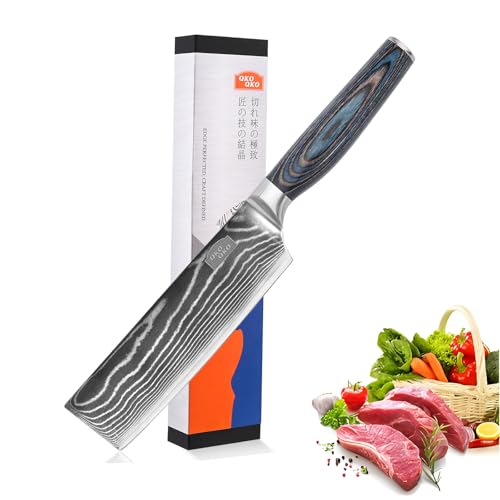
QKOQKO 7-Inch Damascus Wood Handle Nakiri Knife
Best for: precise vegetable chopping and slicing
- Blade Length
- 7 in
- Knife Type
- Nakiri
- Blade Material
- 9Cr18MoV steel core
- Construction
- Forged 67-layer Damascus
- Edge Type
- Straight edge
- Handle Material
- Natural wood
View on Amazon: QKOQKO 7-Inch Damascus Wood Handle Nakiri Knife Affiliate link
This QKOQKO Nakiri knife features a 7-inch blade with a 9Cr18MoV steel core and 67-layer Damascus cladding. The straight edge and square profile are designed for precise vegetable cutting. It includes a natural wood handle for balance. Weighing 8 ounces, it offers a sturdy feel. This tool suits cooks who prioritize clean cuts for firm produce like zucchini or sweet potatoes.
Pros
- 7-inch blade length for standard kitchen tasks
- 9Cr18MoV steel core for sharpness and durability
- 67-layer Damascus construction for rust resistance
- Straight edge ideal for chopping vegetables
Cons
- Wood handle requires hand washing to prevent damage
- Limited to vegetable prep due to square blade shape
- 8-ounce weight may feel heavy for some users
Good fit if
- You frequently chop firm vegetables like carrots or potatoes
- You prefer a straight edge for clean, flat cuts
- You want a durable steel core in a Damascus finish
Skip if
- You need a versatile knife for meat or bread
- You prefer a lightweight blade under 6 ounces
- You require a synthetic handle for dishwasher safety
Verdict: QKOQKO 7-Inch Damascus Nakiri Knife is a specialized tool for vegetable prep. Its 9Cr18MoV core and straight edge make it ideal for cooks who value precision and clean cuts on firm produce.

QKOQKO 7-Inch Damascus Santoku
Best for: Everyday meat and vegetable prep
- Blade Length
- 7 in
- Knife Type
- Santoku
- Blade Material
- 9Cr18MoV steel core
- Construction
- Forged 67-layer Damascus
- Handle Material
- Natural wood
- Style
- Japanese
View on Amazon: QKOQKO 7-Inch Damascus Santoku Affiliate link
This QKOQKO Santoku knife features a 7-inch blade forged from 67 layers of Damascus steel with a 9Cr18MoV core. The construction offers durability and rust resistance for cutting meat, fruits, and vegetables. You get a natural wood handle for a balanced grip. It serves as a versatile tool for everyday cooking tasks while maintaining clean slices.
Pros
- Forged from 67 layers of Damascus steel
- 9Cr18MoV steel core for durability
- Natural wood ergonomic handle
- 7-inch blade length
Cons
- Wood handle requires careful maintenance
- No specific weight listed in data
- Limited to Santoku style only
Good fit if
- You want a durable Damascus blade
- You prefer a natural wood handle
- You need a 7-inch Santoku knife
Skip if
- You prefer synthetic handle materials
- You need a chef or nakiri style
- You want a lighter blade option
Verdict: QKOQKO Damascus Santoku Knife 7-Inch delivers a sturdy 67-layer Damascus build with a 9Cr18MoV core. It fits cooks who value traditional Japanese craftsmanship and a secure wooden grip.
Specifications side by side
| Spec | QKOQKO 7-Inch Damascus Wood Handle Nakiri Knife | QKOQKO 7-Inch Damascus Santoku |
|---|---|---|
| Blade Length | 7 in | 7 in |
| Knife Type | Nakiri | Santoku |
| Blade Material | 9Cr18MoV steel core | 9Cr18MoV steel core |
| Construction | Forged 67-layer Damascus | Forged 67-layer Damascus |
| Edge Type | Straight edge | not stated |
| Handle Material | Natural wood | Natural wood |
| Style | Japanese | Japanese |
| Recommended Use | Vegetables | Meat |
| Weight | 8 ounces | not stated |
| Size | 7 Inch Nakiri Knife | 7.5 |
| Color | Damascus 7 inch Nakiri Knife | 7” Damascus Santoku Knife |
| Model | DXCK-001 | DSK-001 |
QKOQKO Knives: Specs at a Glance
The QKOQKO lineup splits into two distinct groups based on blade construction and intended use. The 7-Inch Damascus Wood Handle Nakiri (model DXCK-001) weighs 8 ounces. It features a 9Cr18MoV core with a straight edge. This design suits cooks who prioritize precise vegetable chopping and clean slicing on firm produce. The Japanese style and wood handle offer a traditional grip for detailed prep work.
The second group includes the 7-Inch Damascus Santoku (model DSK-001). This knife boasts a 67-layer Damascus build with the same 9Cr18MoV core. It targets everyday meat and vegetable prep. Shoppers seeking a sturdy tool with traditional Japanese craftsmanship will prefer this option. The wood handle provides a secure grip for versatile kitchen tasks. Both knives emphasize durability and specialized cutting performance.
Who QKOQKO Knives Suit
QKOQKO targets cooks who prefer Japanese-style geometry and traditional materials. The range focuses on vegetable and mixed prep. The 7-inch Nakiri offers a straight edge for precise chopping. The 7.5-inch Santoku provides a versatile option for meat and vegetables. Both models feature wood handles and Damascus-style blades with 9Cr18MoV cores. You will not find chef’s knives or smaller paring knives in this selection. The lineup lacks stainless steel or synthetic handle options. If you need a general-purpose chef’s knife or a compact paring tool, this brand’s current specs do not cover those needs. This range is best for those who already own other tools and want specialized vegetable or mixed-prep knives.
How to choose the right QKOQKO knife
-
Check the blade core steel
Look for the core steel specification to understand edge retention and hardness. Both models use a 9Cr18MoV core, which offers strong corrosion resistance and holds an edge well. This steel choice is suitable for cooks who want low maintenance and consistent performance. The Damascus layers provide aesthetic appeal, but the core determines cutting capability. You should verify this spec if you prioritize sharpness retention over time. A higher carbon content generally means better hardness, though it may require more careful drying to prevent rust.
-
Match the blade profile to tasks
Select the knife shape based on your primary prep work. The Nakiri features a straight edge, making it ideal for precise vegetable chopping and slicing. Its flat profile allows for a clean up-and-down motion. The Santoku has a curved edge, offering versatility for both meat and vegetable prep. If you mainly chop vegetables, the Nakiri provides better control. For general-purpose tasks involving various ingredients, the Santoku is the more adaptable choice. Consider your most frequent cutting motions when deciding between these two profiles.
-
Verify handle material and grip
Inspect the handle material for comfort and durability. Both knives feature wood handles, which provide a traditional feel and secure grip. Wood requires regular oiling to prevent drying out or cracking. Ensure the handle shape fits your hand comfortably for extended use. A secure grip reduces fatigue during detailed prep work. Check if the wood is treated for moisture resistance. The natural material adds aesthetic value but demands more upkeep than synthetic options. Confirm the handle construction is solid to ensure long-term stability during heavy use.
-
Consider the blade weight
Review the listed weight to gauge handling characteristics. The 7-inch Nakiri weighs 8 ounces, offering a balanced feel for detailed vegetable work. Heavier knives can assist with chopping through dense produce, while lighter ones offer precision. Compare the weight to your personal preference for cutting tools. A balanced knife reduces hand strain during prolonged use. Check if the weight distribution feels natural in your hand. The specific ounce measurement helps you anticipate how the knife will feel during repetitive cutting tasks.
-
Assess the Damascus layer count
Look at the layer count to understand the blade construction. The Santoku features a 67-layer Damascus build, which enhances corrosion resistance and reduces food sticking. More layers do not necessarily mean better cutting performance, but they add durability and visual appeal. Verify the layer count in the specifications to ensure quality. This construction method is suitable for cooks who value traditional craftsmanship. The layers also help maintain the edge integrity over time. Check if the layers are consistent for even performance across the blade.
Frequently asked questions
Which QKOQKO knife is best for chopping vegetables?
The 7-Inch Damascus Wood Handle Nakiri is the top choice for vegetable prep. Its straight edge and 9Cr18MoV core allow for precise, clean cuts on firm produce. The 8-ounce weight provides balance, making it a specialized tool for cooks who prioritize accuracy in their daily kitchen tasks.
Does the QKOQKO Santoku have a Damascus pattern?
Yes, the 7.5-inch Santoku features a 67-layer Damascus build. This construction highlights traditional Japanese craftsmanship while providing a sturdy blade. It combines this aesthetic with a 9Cr18MoV core, offering a versatile option for everyday meat and vegetable prep with a secure wooden grip.
What steel is used in QKOQKO knives?
Both models use a 9Cr18MoV core steel. This material offers strong corrosion resistance and holds an edge well. You can rely on this steel for consistent performance. It supports the blade's durability and sharpness, ensuring reliable cuts whether you are slicing vegetables or preparing meat.
Are the handles on these knives made of wood?
Yes, both the Nakiri and Santoku feature wooden handles. The 7-inch Nakiri has a specific wood handle design for comfort. The Santoku also includes a wooden grip for security. These traditional materials provide a classic feel and secure hold during various food preparation tasks.
What is the difference between the Nakiri and Santoku models?
The Nakiri is a 7-inch tool designed for precise vegetable chopping with a straight edge. The Santoku is a 7.5-inch versatile knife suitable for both meat and vegetables. While both share the 9Cr18MoV core, their blade shapes and sizes cater to different primary tasks in your kitchen.
Is the QKOQKO Nakiri heavy or light?
The 7-inch Nakiri weighs 8 ounces. This weight offers a balanced feel for controlled chopping. It is not excessively heavy, allowing for precise movements. This specification makes it a comfortable choice for extended vegetable prep sessions without causing hand fatigue during detailed work.
What style of knife is the QKOQKO Santoku?
The Santoku follows a Japanese style. It features a 67-layer Damascus build with a 9Cr18MoV core. This design appeals to cooks who value traditional aesthetics and performance. The wooden handle complements the Japanese aesthetic while providing a secure grip for everyday cooking tasks.